Maintaining healthy teeth and gums begins with proper daily care at home. While professional dental visits are essential, your everyday oral hygiene routine plays the most significant role in preventing dental problems. Consistent habits and simple lifestyle choices can help protect your smile for many years.
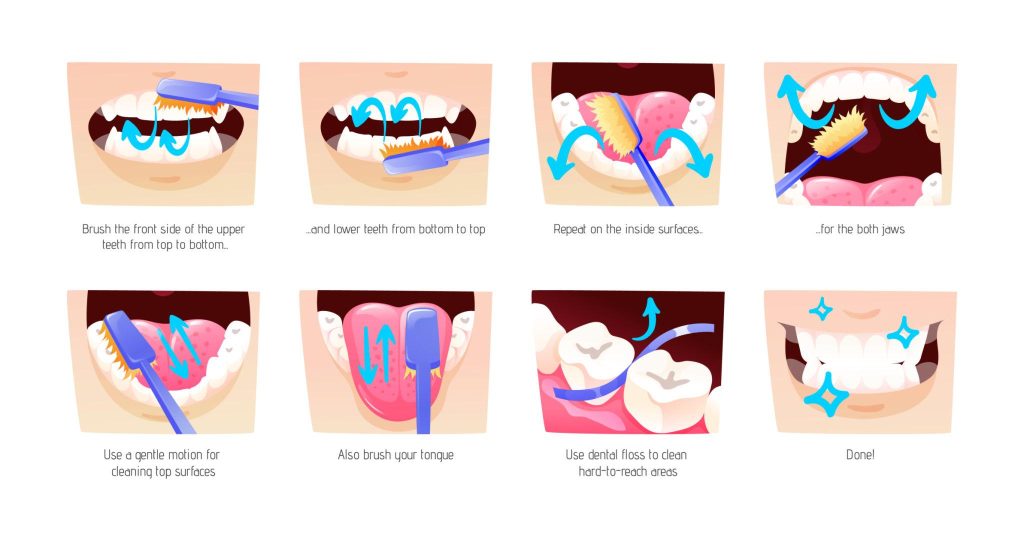
Brushing your teeth twice a day is the foundation of good oral health. Use a soft-bristled toothbrush and fluoride toothpaste to effectively remove plaque and bacteria. Brushing should last at least two minutes and cover all surfaces of the teeth. Gentle circular motions are more effective and prevent damage to enamel and gums.
Flossing is equally important but often neglected. Food particles and plaque easily get trapped between teeth, where a toothbrush cannot reach. Daily flossing helps prevent cavities, gum disease, and bad breath. If traditional floss is difficult to use, floss picks or water flossers can be suitable alternatives.
A balanced diet has a direct impact on oral health. Sugary and acidic foods increase the risk of tooth decay and enamel erosion. Limiting sweets, carbonated drinks, and processed snacks helps protect teeth. Instead, choose foods rich in calcium, vitamins, and minerals, such as dairy products, leafy vegetables, nuts, and fruits.
Drinking plenty of water throughout the day is another effective habit. Water helps wash away food debris and bacteria, supports saliva production, and neutralizes harmful acids in the mouth. Saliva plays a critical role in protecting teeth and maintaining a healthy oral environment.
Gum care should never be overlooked. Healthy gums support strong teeth and prevent tooth loss. Gently brushing along the gumline and flossing daily reduces inflammation and bleeding. Persistent gum problems should always be evaluated by a dentist to avoid long-term damage.
Replacing your toothbrush regularly is essential for effective cleaning. Over time, bristles become worn and less efficient at removing plaque. Dentists recommend changing your toothbrush every three months or sooner if the bristles fray.
Using mouthwash can enhance your oral hygiene routine. Antibacterial or fluoride mouthwash helps reduce bacteria, strengthen enamel, and freshen breath. Mouthwash should support brushing and flossing, not replace them.
Avoid harmful habits such as smoking and excessive alcohol consumption. Tobacco use increases the risk of gum disease, oral cancer, and tooth discoloration. Limiting these habits significantly improves oral and overall health.
In summary, maintaining healthy teeth and gums at home requires consistency, awareness, and simple daily practices. Proper brushing, flossing, a balanced diet, hydration, and healthy habits can prevent most dental problems. Combined with regular dental checkups, these steps ensure a strong, clean, and confident smile.