Dental problems affect people of all ages, but many of these issues are preventable with proper care and early intervention. Understanding common dental conditions and learning how to prevent them can help you maintain better oral health and avoid discomfort.
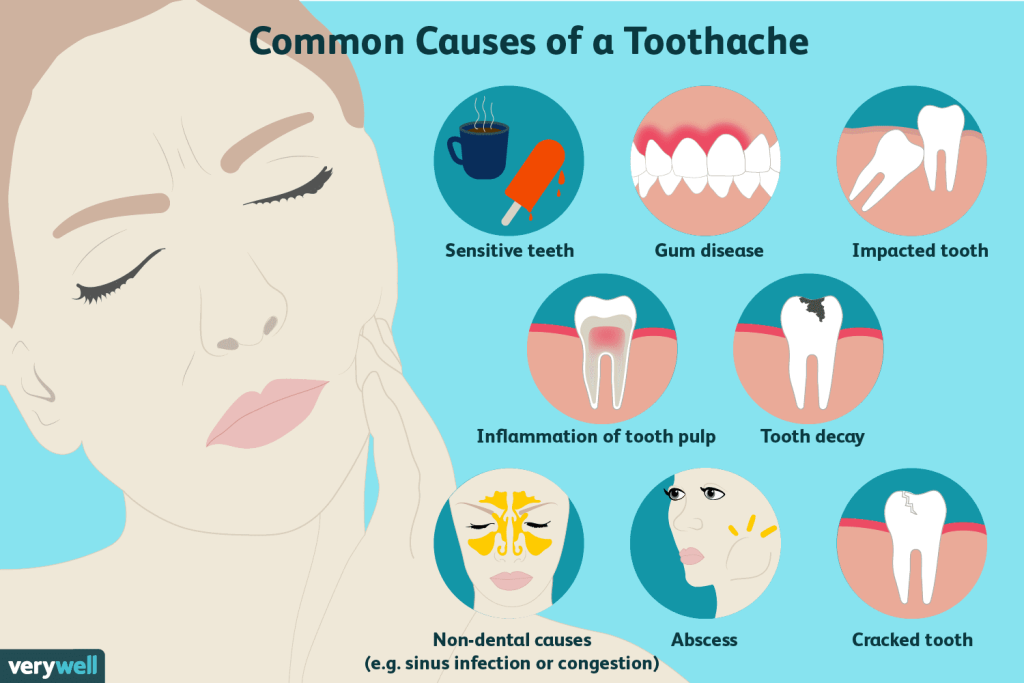
Tooth decay is one of the most common dental problems worldwide. Cavities form when plaque bacteria produce acids that weaken tooth enamel. Frequent snacking, sugary foods, and poor oral hygiene increase the risk. Brushing twice daily, flossing, and limiting sugar intake are essential preventive measures.
Gum disease is another widespread issue that often develops silently. It begins as gingivitis, causing red, swollen, and bleeding gums. Without treatment, it can progress to periodontitis, leading to bone loss and tooth mobility. Daily oral hygiene and regular professional cleanings help prevent gum disease.
Tooth sensitivity is a frequent concern, especially when consuming hot, cold, or sweet foods. It may result from enamel erosion, gum recession, or exposed tooth roots. Using a desensitizing toothpaste and avoiding acidic foods can reduce sensitivity. A dentist can determine the exact cause and recommend treatment.
Bad breath, also known as halitosis, can be embarrassing and persistent. Poor oral hygiene, gum disease, dry mouth, and certain foods are common causes. Brushing, flossing, tongue cleaning, and staying hydrated help maintain fresh breath. Persistent bad breath should be evaluated professionally.
Tooth discoloration is another common complaint. Staining can occur due to coffee, tea, smoking, medications, or aging. Maintaining good oral hygiene helps prevent surface stains, while professional cleaning and whitening treatments can restore brightness.
Cracked or chipped teeth may result from accidents, biting hard objects, or teeth grinding. Wearing protective mouthguards during sports and managing grinding habits can help prevent damage.
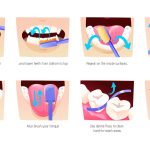
Preventing dental problems starts with consistent care. Brushing, flossing, balanced nutrition, and routine dental visits are the most effective strategies. Early detection allows for simple treatments and prevents complications.
In conclusion, while dental problems are common, most are avoidable. Awareness, good habits, and professional guidance are key to maintaining a healthy mouth. Taking preventive steps today protects your smile and ensures long-term oral comfort and confidence.